
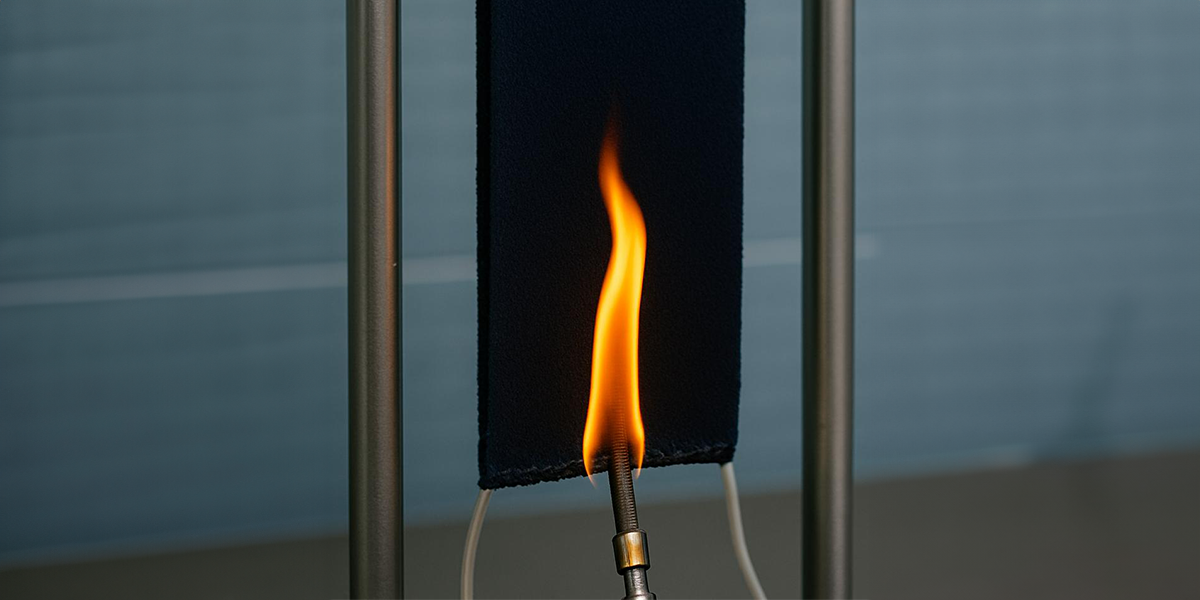
When it comes to workplace safety, choosing the right flame-resistant (FR) fabric isn’t just about meeting standards – it’s about understanding what gives a fabric its protective strength and long-lasting performance.
In this article, we explore the key properties that define a high-quality FR fabric, helping safety professionals and end users make better-informed decisions.
1. Flame Resistance: Inherent or Treated?
FR fabrics fall into two categories:
Inherent FR fabrics are made with fibers that are naturally non-flammable (e.g., aramid, modacrylic). Their protective properties are built-in and do not wash out over time.
Treated FR fabrics are made from flammable base fibers that are chemically treated for flame resistance. Their performance may degrade with repeated laundering.
Inherent fabrics are the preferred option for long-term durability and consistent protection.
2. Arc Flash Protection
Arc-rated fabrics are tested to measure how well they protect against arc flash events. The key rating to look for is ATPV (Arc Thermal Performance Value) – the higher the value, the greater the protection. ELIM (Incident Energy Limit) is another useful value that shows the energy level a fabric can handle without causing second-degree burns. Depending on your work environment, you may need a fabric rated for 8 cal/cm² or even above 12 cal/cm², which is common in utilities and electrical maintenance.
3. Thermal Protection
FR fabrics should also be tested against thermal hazards like:
- Radiant heat
- Convective heat
- Contact heat
These are typically covered under EN ISO 11612, which helps users assess performance in environments such as firefighting, metalwork, or welding.
4. Chemical Splash Resistance
In some work environments, such as oil & gas or chemical plants, limited chemical splash protection is also critical. Fabrics enhanced with repellent finishes can help reduce the absorption of liquid chemicals, improving both protection and garment lifespan.
Important: Innovare’s PFAS-free finishes provide durable splash protection with over 100 industrial washes – ensuring both environmental safety and long-lasting comfort.
5. Electrostatic Dissipation
In explosive atmospheres or environments with flammable gases or dust, electrostatic discharge can be a serious hazard. Fabrics that comply with EN 1149-5 help safely dissipate static electricity, reducing the risk of ignition.
6. Comfort and Durability
The best FR fabrics balance protection with comfort. Look for properties such as:
- Lightweight yet strong construction
- Moisture-wicking capabilities
- Breathability and flexibility
- High resistance to tearing, abrasion, and industrial laundering
Tip: Ask your supplier about wash durability and compare lifecycle data to ensure you’re choosing the most cost-effective long-term solution.
Conclusion: Know Your Fabric Before You Buy
Understanding the technical properties behind FR fabrics helps you select a product that meets your exact needs – whether it’s for firefighting, electrical work, or chemical processing. Explore our full range of multi-hazard protective fabrics to find a solution built for long-lasting, real-world protection.