
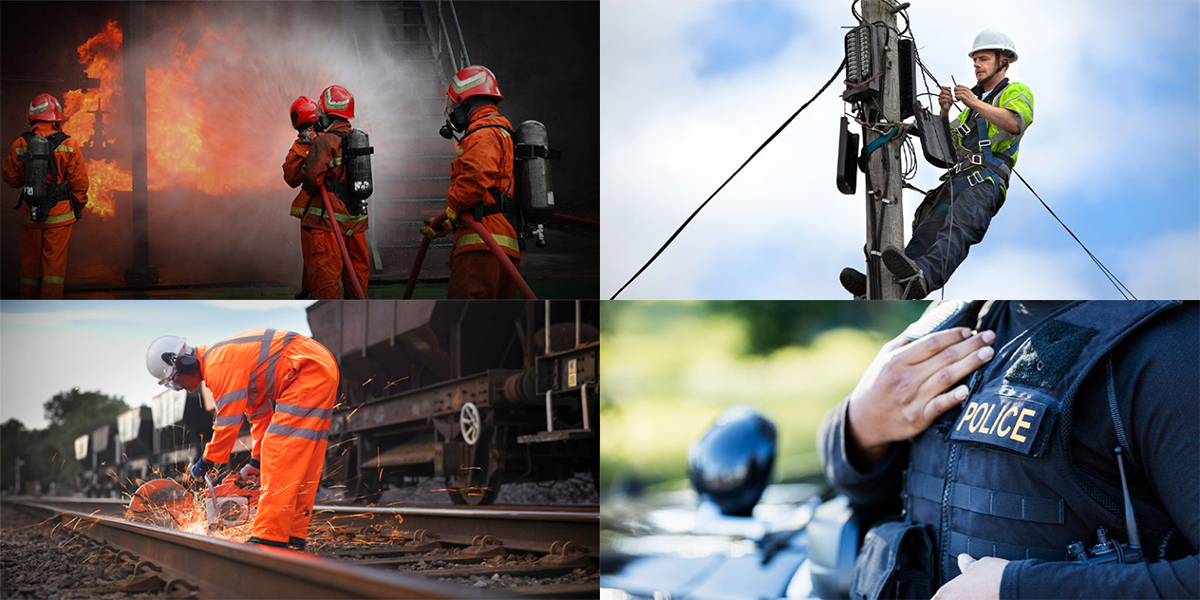
Selecting the right flame-resistant (FR) fabric is a critical decision that can significantly affect workplace safety, comfort, and overall performance. With a wide range of technical fabrics available, understanding what to look for can help ensure the right level of protection for your team and working environment.
In this guide, we break down the key considerations when choosing FR fabrics – so you can make informed decisions without compromising safety or durability.
1. Identify the Hazards in Your Work Environment
The first step in choosing the right fabric is understanding the specific risks present in your workplace. Common hazards include:
- Heat and flame exposure
- Electric arc flash
- Molten metal splash
- Static discharge
- Low visibility conditions
Different industries require different protection standards. For instance, firefighters need protection from extreme heat and flame, while electrical utility workers need arc-rated fabrics. Selecting a fabric tailored to these risks is essential.
2. Understand the Relevant Safety Standards
FR fabrics are tested and certified under strict standards to ensure performance. Here are a few key standards to be aware of:
- EN ISO 11612 – Protection against heat and flame
- EN 1149-5 – Electrostatic properties
- IEC 61482-1-1 / 1-2 – Protection against electric arc
- EN 13034 – Limited protection against liquid chemicals
- EN 20471 – High-visibility clothing for hazardous environments
- EN 15384 – Protective clothing for wildland firefighting
- EN 469 – Protective clothing for firefighters
Always choose fabrics that meet or exceed the standards required for your industry and application.
3. Inherent vs. Treated Fabrics
Flame-resistant fabrics come in two primary types:
- Inherent FR fabrics: Made with fibers that are naturally flame-resistant. The FR properties are permanent and do not wash out over time.
- Treated FR fabrics: Made from flammable fibers that are chemically treated to resist ignition. These may lose performance after repeated laundering.
Inherent FR fabrics – using fibers like aramide or modacrylic – offer superior long-term durability and protection, especially for environments requiring consistent safety performance over time.
4. Evaluate Durability and Wash Life
Not all FR fabrics are built to last. Durability, especially after multiple washes, is a key factor in cost-effectiveness and long-term protection.
Innovare fabrics, for example, are engineered to maintain protection levels over time, with high resistance to abrasion and wear.
5. Consider Comfort and Mobility
Safety should never come at the cost of comfort. Workers who are uncomfortable in their protective clothing are less likely to wear it correctly, increasing safety risks.
Look for fabrics that offer:
- Lightweight construction
- Moisture management
- Breathability
- Mechanical stretch or ergonomic design
Innovare’s EdgeFit technology, for example, enhances mobility and wearer comfort while maintaining multi-hazard protection.
6. Check for Repellency and Eco-Friendliness
For industries exposed to splash or wet conditions, repellency finishes are essential. However, many traditional finishes contain PFAS chemicals, which are under increasing scrutiny due to environmental and health risks.
Innovare offers PFAS-free repellent finishes that maintain high-level protection and durability – even after 100 industrial wash cycles – while supporting eco-conscious safety programs. This performance and longevity make the fabrics a smart, cost-effective solution compared to many conventional options.
Tip: For PFAS-free repellent fabrics, check whether they maintain splash protection after high numbers of washing cycles before making a choice. This is essential to make a fair comparison between products.
Conclusion: Make Informed, Future-Proof Choices
Choosing the right flame-resistant fabric is more than a safety requirement – it’s an investment in your team’s well-being, productivity, and your brand’s responsibility.
By evaluating workplace hazards, understanding standards, and prioritizing durability, comfort, and sustainability, you can ensure that your protective fabrics are not only compliant but also built for real-world performance.
Explore Innovare’s full range of multi-hazard protective fabrics to find a solution tailored to your specific needs.