
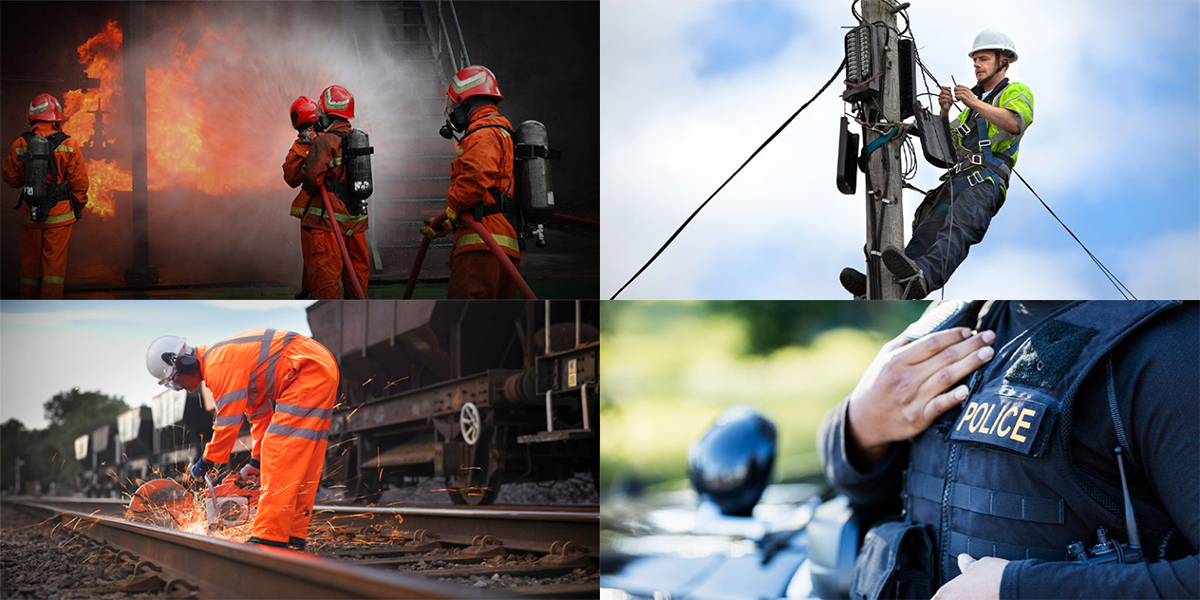
How to Choose the Right Flame-Resistant Fabric for Your Needs

Selecting the right flame-resistant (FR) fabric is a critical decision that can significantly affect workplace safety, comfort, and overall performance. With a wide range of technical fabrics available, understanding what to look for can help ensure the right level of protection for your team and working environment.

In this guide, we break down the key considerations when choosing FR fabrics – so you can make informed decisions without compromising safety or durability.

1. Identify the Hazards in Your Work Environment

The first step in choosing the right fabric is understanding the specific risks present in your workplace. Common hazards include:

  • Heat and flame exposure
  • Electric arc flash
  • Molten metal splash
  • Static discharge
  • Low visibility conditions

Different industries require different protection standards. For instance, firefighters need protection from extreme heat and flame, while electrical utility workers need arc-rated fabrics. Selecting a fabric tailored to these risks is essential.

2. Understand the Relevant Safety Standards

FR fabrics are tested and certified under strict standards to ensure performance. Here are a few key standards to be aware of:

  • EN ISO 11612 – Protection against heat and flame
  • EN 1149-5 – Electrostatic properties
  • IEC 61482-1-1 / 1-2 – Protection against electric arc
  • EN 13034 – Limited protection against liquid chemicals
  • EN 20471 – High-visibility clothing for hazardous environments
  • EN 15384 – Protective clothing for wildland firefighting
  • EN 469 – Protective clothing for firefighters

Always choose fabrics that meet or exceed the standards required for your industry and application.

3. Inherent vs. Treated Fabrics

Flame-resistant fabrics come in two primary types:

  • Inherent FR fabrics: Made with fibers that are naturally flame-resistant. The FR properties are permanent and do not wash out over time.
  • Treated FR fabrics: Made from flammable fibers that are chemically treated to resist ignition. These may lose performance after repeated laundering.

Inherent FR fabrics – using fibers like aramide or modacrylic – offer superior long-term durability and protection, especially for environments requiring consistent safety performance over time.

4. Evaluate Durability and Wash Life

Not all FR fabrics are built to last. Durability, especially after multiple washes, is a key factor in cost-effectiveness and long-term protection.

Innovare fabrics, for example, are engineered to maintain protection levels over time, with high resistance to abrasion and wear.

5. Consider Comfort and Mobility

Safety should never come at the cost of comfort. Workers who are uncomfortable in their protective clothing are less likely to wear it correctly, increasing safety risks.

Look for fabrics that offer:

  • Lightweight construction
  • Moisture management
  • Breathability
  • Mechanical stretch or ergonomic design

Innovare’s EdgeFit technology, for example, enhances mobility and wearer comfort while maintaining multi-hazard protection.

6. Check for Repellency and Eco-Friendliness

For industries exposed to splash or wet conditions, repellency finishes are essential. However, many traditional finishes contain PFAS chemicals, which are under increasing scrutiny due to environmental and health risks.

Innovare offers PFAS-free repellent finishes that maintain high-level protection and durability – even after 100 industrial wash cycles – while supporting eco-conscious safety programs. This performance and longevity make the fabrics a smart, cost-effective solution compared to many conventional options.

Tip: For PFAS-free repellent fabrics, check whether they maintain splash protection after high numbers of washing cycles before making a choice. This is essential to make a fair comparison between products.

Conclusion: Make Informed, Future-Proof Choices

Choosing the right flame-resistant fabric is more than a safety requirement – it’s an investment in your team’s well-being, productivity, and your brand’s responsibility.

By evaluating workplace hazards, understanding standards, and prioritizing durability, comfort, and sustainability, you can ensure that your protective fabrics are not only compliant but also built for real-world performance.

Explore Innovare’s full range of multi-hazard protective fabrics to find a solution tailored to your specific needs.
PFAS-Free Protection: Why It Matters in Flame-Resistant Fabrics

What Are PFAS and Why Are They a Concern?

Per- and polyfluoroalkyl substances (PFAS) are a group of synthetic chemicals commonly used to make materials water, oil, and stain resistant. While effective in performance applications, these chemicals have raised serious environmental and health concerns in recent years. PFAS are often referred to as “forever chemicals” because they do not break down easily in the environment or in the human body. They can accumulate over time and have been linked to various health risks, including hormone disruption, immune system effects, and certain cancers. As a result, global regulatory bodies are pushing for restrictions or complete bans on their use in consumer and industrial products—including protective clothing.

PFAS in Protective Fabrics

In the flame-resistant (FR) textile industry, PFAS have traditionally been used in repellent finishes to provide resistance against water, oil, and chemicals. This repellency is critical in many high-risk work environments, especially where chemical splashes are a potential hazard. However, the reliance on PFAS for this repellency has become problematic. Many customers, governments, and industries are now demanding PFAS-free alternatives that do not compromise safety or performance.

Innovare’s Eco-Technology Approach

At Innovare, we recognize the importance of moving towards safer, more sustainable solutions—without compromising protection. That’s why we’ve developed repellency technologies that are completely free of PFAS, yet still deliver high-level protection against liquid penetration, including chemical splashes.

Our proprietary finishing solutions are designed to:

  • Offer durable repellency without harmful chemicals
  • Maintain fabric performance through extended wash cycles

Align with future-focused environmental regulations in both the EU and the US

PFAS-Free Doesn’t Mean Performance-Free

One of the biggest misconceptions in the market is that PFAS-free means a reduction in performance. Innovare proves otherwise.

Our fabrics—such as those within the Edge Technology line—combine inherent flame resistance, arc flash protection, and chemical splash repellency in a single solution, all while being free of PFAS. These products are engineered for long wear life and durability, often maintaining performance after over 100 wash cycles. By choosing PFAS-free FR fabrics, you don’t have to compromise on safety, durability, or comfort.

Regulatory Trends Driving Change

Governments and environmental agencies are responding to the risks associated with PFAS. In Europe, the REACH regulation has already restricted several PFAS compounds, and broader bans are expected in the near future. The United States Environmental Protection Agency (EPA) is also intensifying efforts to regulate PFAS across multiple industries. For businesses and manufacturers, this means proactive action is essential. Transitioning to PFAS-free technologies is no longer a “nice-to-have”—it’s a future-proofing necessity.

The Future of FR Fabric Innovation

Innovare’s mission is to lead the change toward safer and more sustainable protective textiles. Our PFAS-free technologies are part of a broader commitment to Safe and Sustainable by Design (SSbD)—a framework guiding the development of materials with minimal impact on health and the environment. As demands for transparency, sustainability, and accountability grow, Innovare is proud to provide solutions that meet today’s challenges and tomorrow’s expectations.

Conclusion:
PFAS-free flame-resistant fabrics are not just an environmental trend—they’re a technological evolution. With Innovare, you get the best of both worlds: advanced protection and responsible innovation.

Understanding Flame-Resistant (FR) Fabric Properties: What Makes a Fabric Truly Protective?

When it comes to workplace safety, choosing the right flame-resistant (FR) fabric isn’t just about meeting standards – it’s about understanding what gives a fabric its protective strength and long-lasting performance.

In this article, we explore the key properties that define a high-quality FR fabric, helping safety professionals and end users make better-informed decisions.

1. Flame Resistance: Inherent or Treated?

FR fabrics fall into two categories:

Inherent FR fabrics are made with fibers that are naturally non-flammable (e.g., aramid, modacrylic). Their protective properties are built-in and do not wash out over time.

Treated FR fabrics are made from flammable base fibers that are chemically treated for flame resistance. Their performance may degrade with repeated laundering.

Inherent fabrics are the preferred option for long-term durability and consistent protection.

2. Arc Flash Protection

Arc-rated fabrics are tested to measure how well they protect against arc flash events. The key rating to look for is ATPV (Arc Thermal Performance Value) – the higher the value, the greater the protection. ELIM (Incident Energy Limit) is another useful value that shows the energy level a fabric can handle without causing second-degree burns. Depending on your work environment, you may need a fabric rated for 8 cal/cm² or even above 12 cal/cm², which is common in utilities and electrical maintenance.

3. Thermal Protection

FR fabrics should also be tested against thermal hazards like:

  • Radiant heat
  • Convective heat
  • Contact heat

These are typically covered under EN ISO 11612, which helps users assess performance in environments such as firefighting, metalwork, or welding.

4. Chemical Splash Resistance

In some work environments, such as oil & gas or chemical plants, limited chemical splash protection is also critical. Fabrics enhanced with repellent finishes can help reduce the absorption of liquid chemicals, improving both protection and garment lifespan.

Important: Innovare’s PFAS-free finishes provide durable splash protection with over 100 industrial washes – ensuring both environmental safety and long-lasting comfort.

5. Electrostatic Dissipation

In explosive atmospheres or environments with flammable gases or dust, electrostatic discharge can be a serious hazard. Fabrics that comply with EN 1149-5 help safely dissipate static electricity, reducing the risk of ignition.

6. Comfort and Durability

The best FR fabrics balance protection with comfort. Look for properties such as:

  • Lightweight yet strong construction
  • Moisture-wicking capabilities
  • Breathability and flexibility
  • High resistance to tearing, abrasion, and industrial laundering

Tip: Ask your supplier about wash durability and compare lifecycle data to ensure you’re choosing the most cost-effective long-term solution.

Conclusion: Know Your Fabric Before You Buy

Understanding the technical properties behind FR fabrics helps you select a product that meets your exact needs – whether it’s for firefighting, electrical work, or chemical processing. Explore our full range of multi-hazard protective fabrics to find a solution built for long-lasting, real-world protection.